


If you own a condo and want more room, you’ll run into one question fast: do you sell first, or find the house first?
The short answer is that it depends on three things. How comfortable you are owning two homes for a short time. How quickly homes are moving in the towns you like. And how much flexibility your lender and your buyer can offer. There isn’t one right path. There is a right path for you, and it starts with your numbers.
Here’s how we walk our clients through it.
Path 1: Sell Your Condo First
A completed sale establishes your actual proceeds. Before closing, an accepted offer helps refine an estimate, but the transaction can still change. Reviewing estimated selling costs and your lender confirmed purchasing position gives you a clearer foundation for the next search.
The trade-off is timing. If you sell before you’ve found your next home, you need somewhere to land. A short stay in your condo after closing, sometimes called a rent-back, can help, if the buyer agrees. A flexible closing date can too. Both take a conversation with your buyer and your attorney, and neither is guaranteed.
Path 2: Buy the House First
Buying first lets you look for your next home while you still have a place to live. When the right house appears, you can move on it.
The trade off is carrying two homes for a while. Some buyers do that comfortably. Others would rather not. If you’re leaning this way, talk to your lender early about how they view your existing mortgage and what options exist for the gap. You may also want to discuss with a CPA how this could affect your taxes, as well.
Path 3: Line Them Up
Many people want both to happen close together. That can work, and it takes coordination. Your condo listing, your offer on the next home and both closing dates all have to make sense together. In New Jersey, most residential contracts include an attorney review period, so your attorney is part of the plan from the start.
One caution. A buyer who has to sell a home before buying yours is called a contingent buyer, and sellers sometimes weigh those offers differently. If you make an offer that depends on selling your condo, discuss the terms and risks with your real estate agent, attorney and lender before proceeding.
Plan the Gap Before You List
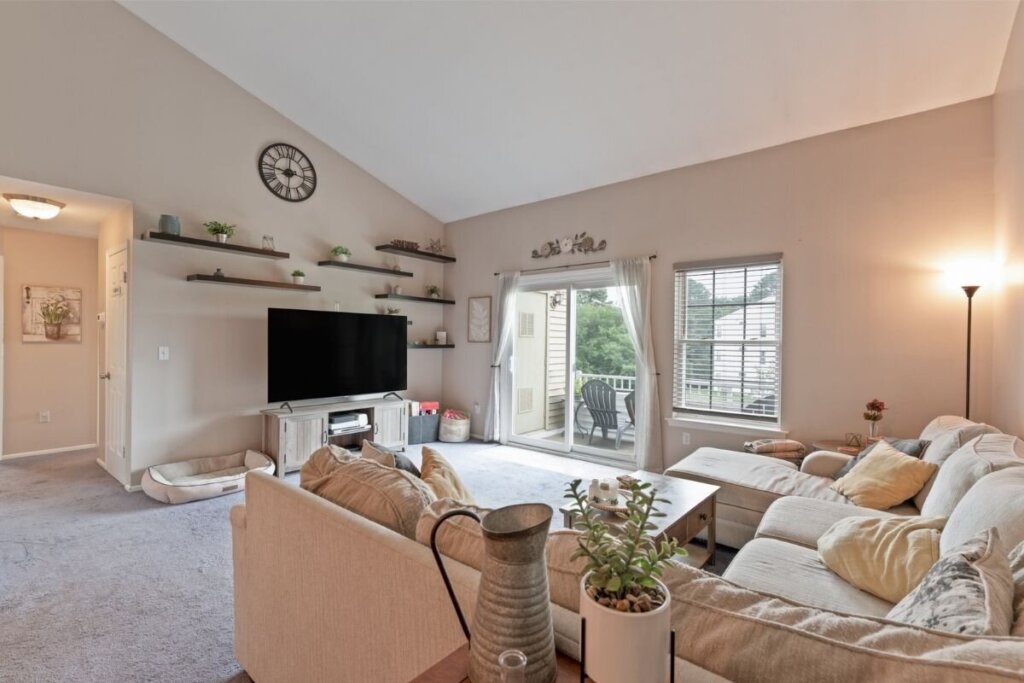
Both transactions deserve careful planning. One concern that can be easy to overlook is the time between the two closings. Before you list, decide how you’ll handle it. A few options to explore with your real estate agent, attorney and lender:
- A short rent-back after closing
- A flexible closing date built into your sale contract
- A short-term rental
- A family stay
- Storage for the overflow
You don’t need them all. You need one you’re comfortable with.
What to Ask Your Lender Before You Tour a Single House
Bring these to your first lender conversation:
- What can I comfortably afford, not just qualify for?
- How will my current mortgage affect my next one?
- If I buy first, what are my options for carrying both?
- If I sell first, how long does my approval last?
- What documents will you need, and when?
Getting these answers first helps you tour with confidence. It also keeps you from falling for a house you haven’t checked against real numbers.
What Your Condo Could Actually Put in Your Pocket
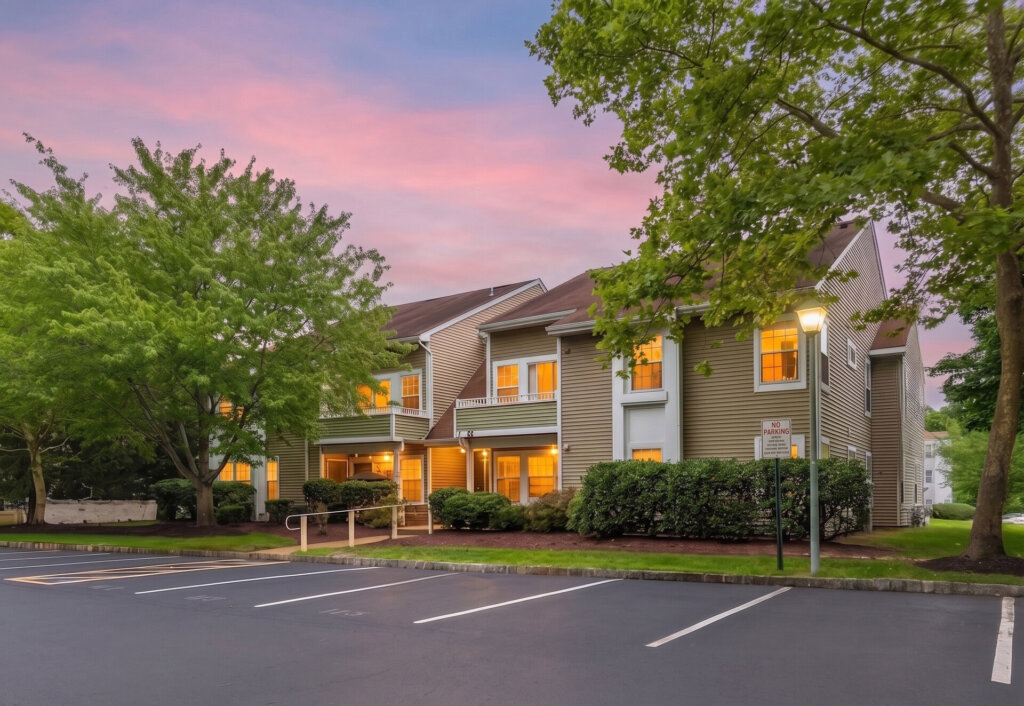
Your sale price is only one part of the picture. Estimated net proceeds also account for your mortgage payoff, selling expenses, credits and other applicable costs. A separate property review can help establish a potential selling range and an estimated net sheet. Those figures remain estimates until the transaction closes. Tax questions should go to your CPA.
A Simple Move Up Timeline
Use this as an illustrative planning sequence, not a deadline. Adjust each step to the home, market, financing and contract.
Week 1: Conversation about what you want more of, plus your numbers.
Weeks 1 and 2: Talk to your real estate agent to get your condo’s pricing opinion.
Weeks 2 to 4: Prepare the condo, photograph it and decide how to bridge the gap.
Listing and negotiation: Timing depends on your market and price.
Contract to closing: Often 30 to 60 days, depending on your lender and the terms.
The Mistakes We See the Most
- Touring before you know your numbers
- Skipping the plan for the gap between closings
- Pricing the condo based on an online estimate
- Making an offer that depends on a sale without discussing it first
- Doing it all alone instead of building a team around you
Frequently asked questions
Can I sell my condo and buy a house at the same time in New Jersey?
Yes, with coordination. Your condo’s closing date, your purchase closing date and your financing all need to line up, and your attorney and lender should be involved early.
Should I sell first or buy first?
A completed sale establishes your actual proceeds; before closing, use an estimate. Buying first lets you search while still living in your current home, with careful planning for any financial overlap. The right choice depends on your comfort with two mortgages, your market and your timeline.
How long does a move-up take?
From first conversation to keys, many people plan for a few months. Contract to closing is often 30 to 60 days, though it varies.
What is a rent back?
A rent-back is an agreement that lets a seller stay in their home for a short time after closing. It’s negotiated with the buyer and must be handled through your attorney.
Your Next Step
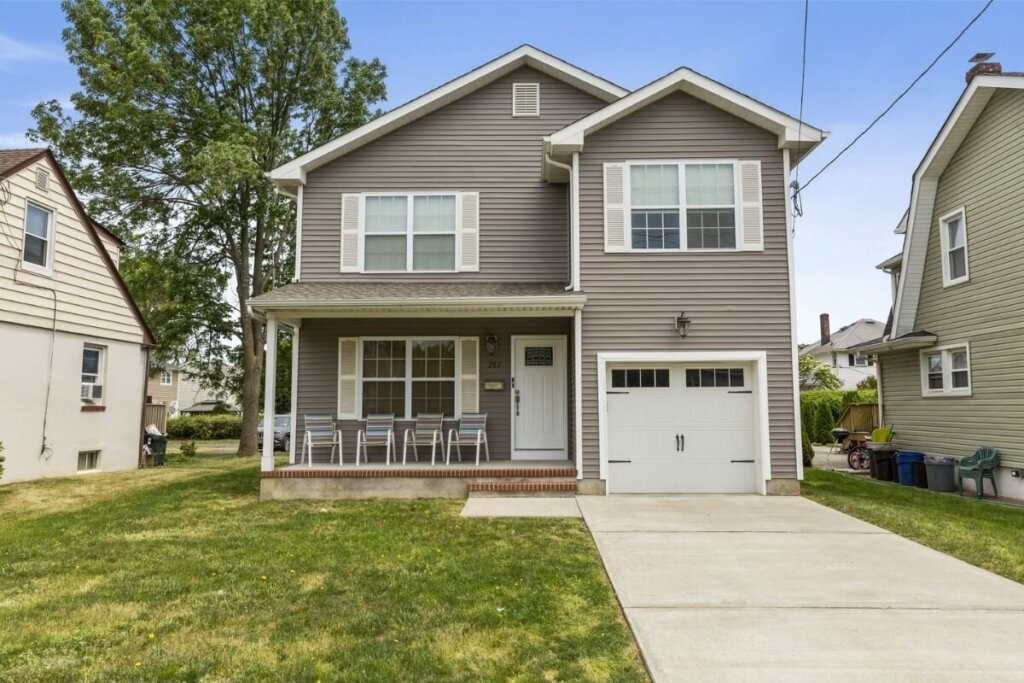
If you are wondering about your next move, we offer a complimentary 20-minute Next Move Conversation online: a conversation about your current home, what you would like next and the steps worth exploring. If we decide to look more closely, we can arrange a separate property review and lender conversation.
Get both buying and selling guides here.
Book a complimentary 20-minute online conversation.
Or download the Moving to Monmouth County Guide.
